Leaders Opinion
Inside India’s Manufacturing Maze: Logistics and Supply Chain Challenges
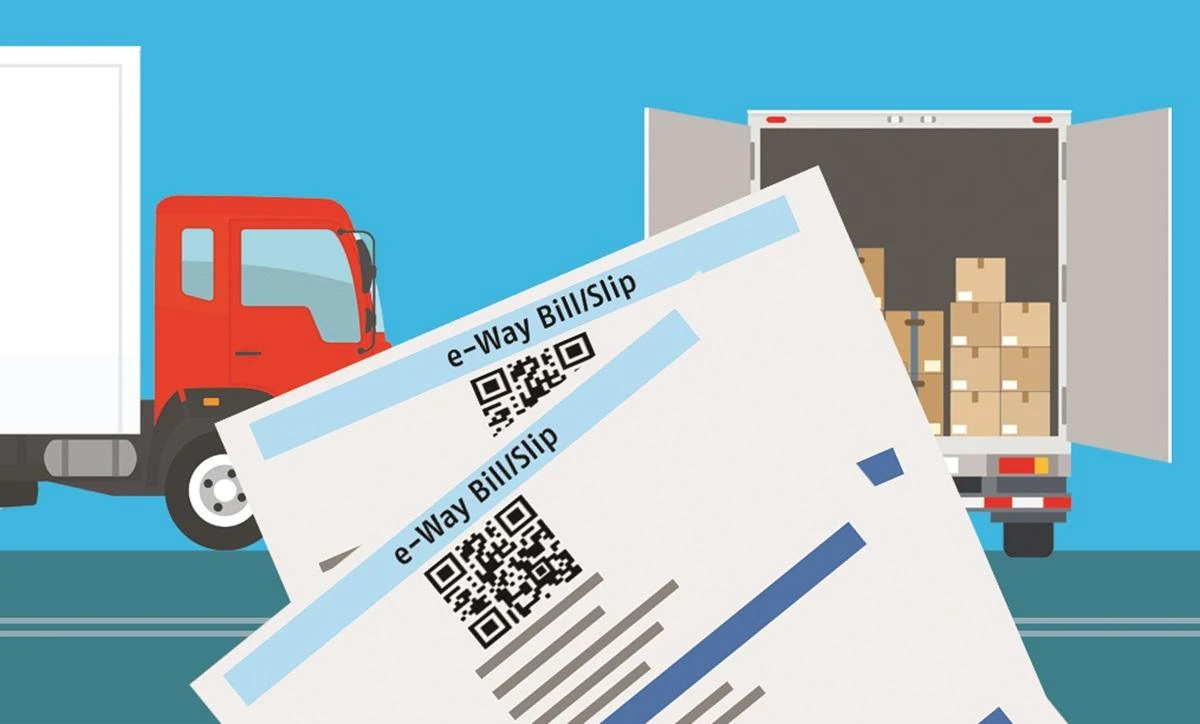
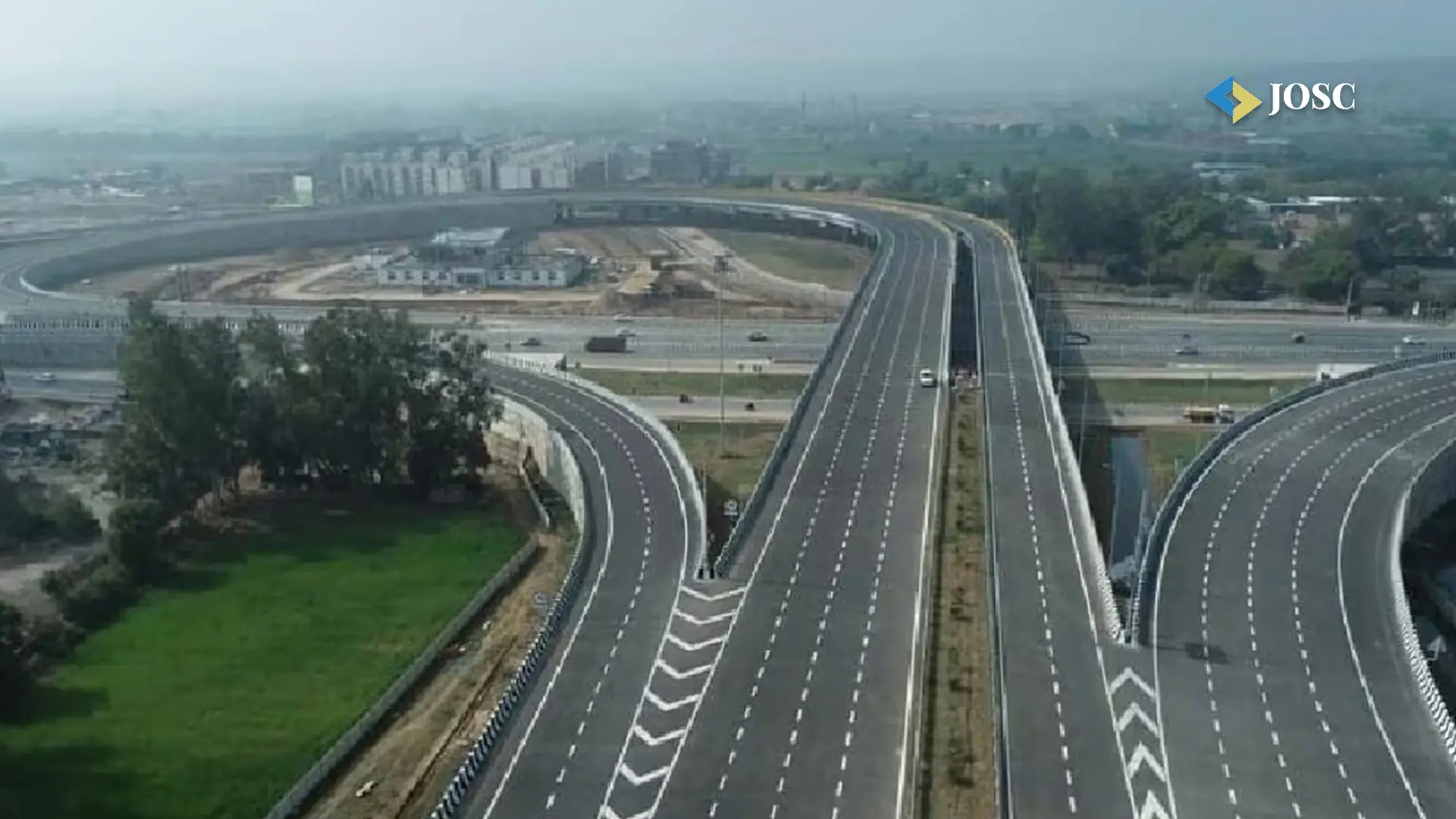
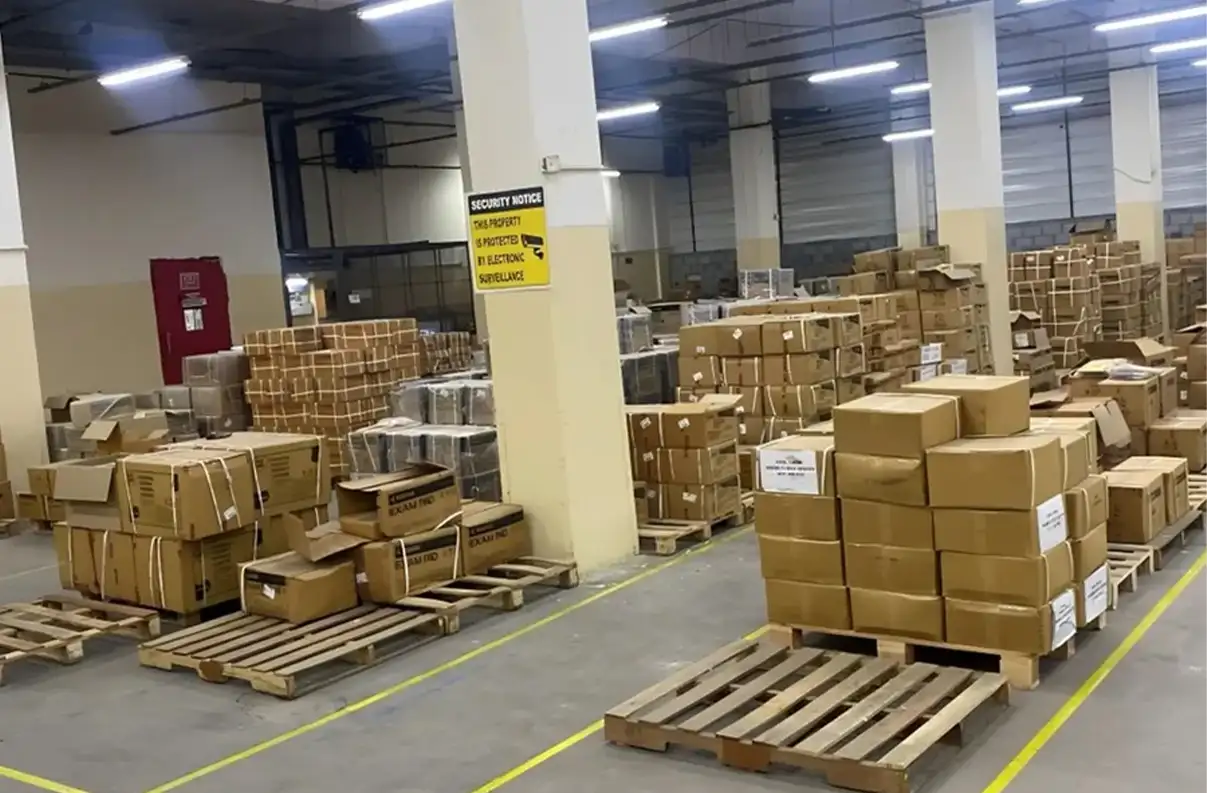
India's ambition to become a global manufacturing hub through initiatives like "Make in India" is bold and strategic. However, logistics and distribution inefficiencies remain significant roadblocks. Despite progress in infrastructure development and policy reforms, manufacturers continue to grapple with high costs, fragmented networks, and regulatory bottlenecks. This article examines the key logistics challenges in India’s manufacturing sector and explores emerging innovations and opportunities. High Logistics Costs: A Competitive Handicap India's logistics cost hovers around 13-14% of GDP, far above the global average of 8-9%. This inflated cost reduces manufacturers' profit margins and global competitiveness. Inefficient road transport, multiple handling points, and limited multimodal infrastructure amplify these costs. For instance, transporting goods from Pune to Chennai can be more expensive than shipping them to Dubai. Key issues are, Overdependence on road freight (60%+ of cargo movement), Limited integration between rail, road, air, and waterways and High dwell times at ports and poor first-mile/last-mile connectivity. Fragmented and Inefficient Supply Chains Indian supply chains are often fragmented, relying on numerous small-scale suppliers and informal logistics providers. This fragmentation results in coordination issues, delayed deliveries, and inventory mismatches. Manufacturers frequently lack real-time visibility, leading to overstocking or production delays. Infrastructure gaps persist despite projects like Dedicated Freight Corridors (DFCs) and PM Gati Shakti. Key constraints include: Inadequate cold chain and temperature-controlled logistics Congested urban transport for last-mile delivery Limited automated, Grade-A warehousing (only ~18% per Knight Frank, 2023) These factors hinder efficient goods movement, especially in remote and industrial regions. Regulatory and Compliance Barriers Despite the implementation of GST, interstate logistics still face disruptions due to complex compliance processes, documentation challenges, and varying interpretations by local authorities. Delays from e-way bill verifications and invoicing discrepancies are common. Labour Shortages and Skill Deficits India’s logistics ecosystem suffers from a shortage of skilled personnel, especially in: Digital inventory handling Route optimization and transport safety Advanced warehouse management systems Smaller OEMs and vendors often lack forecasting capability, digital literacy, or financial stability—creating a ripple effect of inefficiencies throughout the supply chain. Underutilized Technology and AI Adoption of digital tools remains limited among small and mid-sized manufacturers. Technologies like AI, IoT, and digital twins hold immense potential but are underused. AI can enhance demand forecasting, vehicle routing, warehouse automation, and real-time quality inspections. Tier-2/3 suppliers often rely on manual data management ERP and WMS systems are underutilized or outdated Real-time analytics, digital twins, and predictive logistics remain nascent Case in point: During the COVID-19 pandemic, firms with digitized supply chains were able to reallocate resources and avoid shutdowns. Others faced cascading delays due to lack of visibility and manual bottlenecks. Cross-Border Logistics and Export Bottlenecks Exporters face infrastructure and process challenges, such as: Port inefficiencies and congestion Unpredictable container availability
The only supply chain registration you need
Unrivaled context behind every news and article for free.
RegisterJoin the community of 150,000+ industry professionals
Subscribe to our Daily Newsletter
Subscribe For FreeBy continuing you agree to our Privacy Policy & Terms & Conditions
Latest